



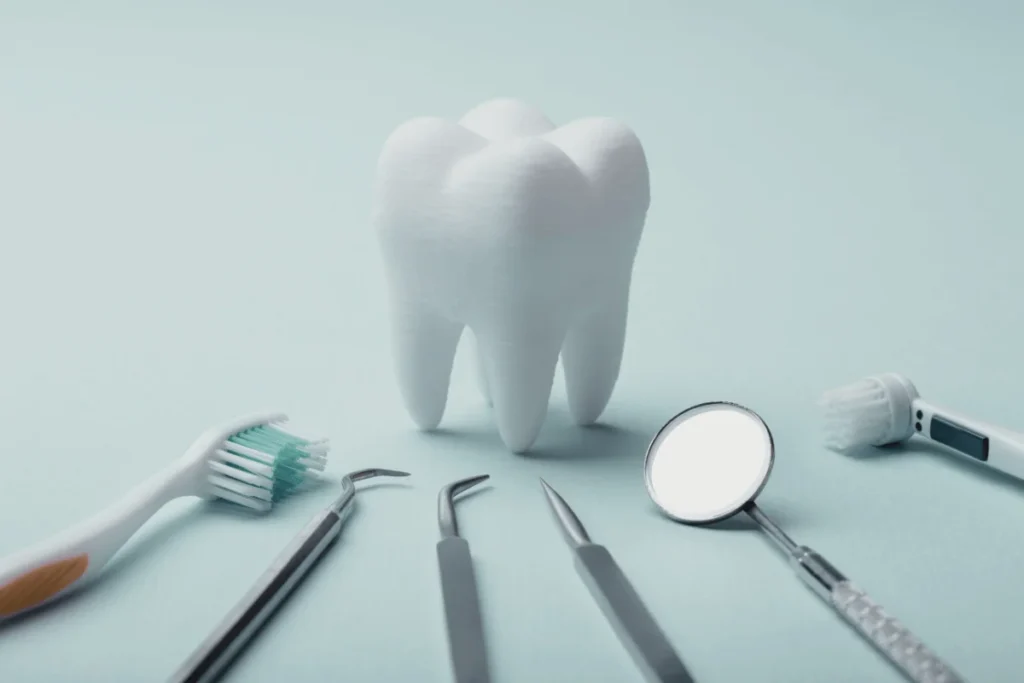
Good dental health is essential for overall well-being, but it is often surrounded by myths and misconceptions. Here, we debunk 10 common dental health myths with insights from experts to set the record straight.
Myth 1: Brushing Harder Cleans Better
Truth: Many people believe that brushing their teeth with more force will remove plaque and stains more effectively. However, experts warn that brushing too hard can damage tooth enamel and irritate gums, leading to sensitivity and gum recession. Use a soft-bristled toothbrush and gentle circular motions for the best results.
Myth 2: Sugar is the Only Cause of Cavities
Truth: While sugar is a significant contributor to cavities, it’s not the sole cause. Cavities form when bacteria in your mouth produce acid that erodes tooth enamel. Poor oral hygiene, acidic foods, and beverages, along with infrequent dental check-ups, also play a role.
Myth 3: If Your Gums Bleed, Stop Brushing
Truth: Bleeding gums are often a sign of gum inflammation or gingivitis, caused by plaque buildup. Instead of stopping, maintain gentle brushing and flossing while ensuring proper oral hygiene. If the problem persists, consult a dentist.
Myth 4: You Don’t Need to See a Dentist Unless You Have Pain
Truth: Waiting for pain to visit a dentist can lead to severe issues. Regular check-ups help detect problems early, such as cavities, gum disease, or oral cancer, even before symptoms appear. Experts recommend visiting a dentist every six months.
Myth 5: White Teeth are Healthy Teeth
Truth: White teeth don’t always indicate good oral health. Teeth can be naturally yellowish but perfectly healthy. Additionally, overusing whitening products can weaken enamel. Focus on overall oral hygiene rather than just aesthetics.
Myth 6: Flossing is Optional
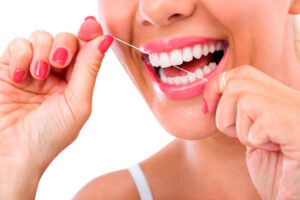
Truth: Brushing cleans the surface of your teeth, but flossing removes food particles and plaque from between them. Skipping flossing can lead to cavities and gum disease in areas your toothbrush can’t reach. Experts emphasize that flossing daily is crucial.
Myth 7: Bad Breath Means Poor Hygiene
Truth: While poor oral hygiene can cause bad breath, other factors like dry mouth, certain foods, medications, and underlying medical conditions can also contribute. Regular dental check-ups can help identify the cause.
Myth 8: Baby Teeth Don’t Matter Because They Fall Out
Truth: Baby teeth act as placeholders for permanent teeth. If they are lost too early due to decay, it can lead to alignment issues and affect speech development. Caring for baby teeth is just as important as adult teeth.
Myth 9: Chewing Gum Can Replace Brushing
Truth: Sugar-free gum can help stimulate saliva production, which neutralizes acids and cleans the mouth to some extent. However, it’s no substitute for brushing and flossing. Experts recommend using gum as a supplement, not a replacement.
Myth 10: Aging Causes Tooth Loss
Truth: Tooth loss is not an inevitable part of aging. With proper care, including brushing, flossing, a healthy diet, and regular dental visits, your teeth can last a lifetime. Gum disease and neglect are the primary reasons for tooth loss, not age.
Conclusion: Understanding the facts about dental health is vital for maintaining a healthy smile. By debunking these myths and following expert advice, you can avoid common pitfalls and ensure optimal oral hygiene. Don’t let myths steer you away from proper dental care — consult your dentist regularly and prioritize your oral health.