
Restorative Dentistry
- Home
- Restorative Dentistry
Introduction to Restorative Dentistry
Restorative dentistry focuses on diagnosing and treating damaged or decayed teeth to restore their function, appearance, and health. This branch of dentistry is essential for individuals who have experienced tooth loss, fractures, or decay. The goal is to restore the natural shape and function of the teeth using various dental treatments. Restorative procedures can involve fillings, crowns, bridges, dentures, or implants, depending on the severity of the damage.
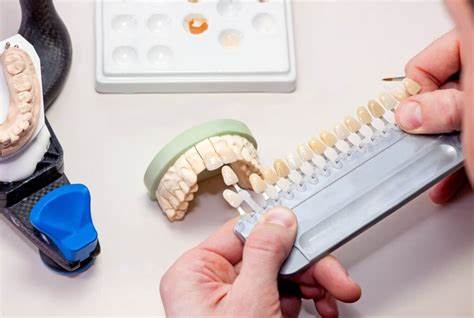
Restorative dentistry aims to preserve the natural structure of the teeth whenever possible, utilizing materials such as composite resins, ceramics, or metals that mimic the natural tooth’s appearance and durability. In addition to physical restoration, this type of dentistry can improve oral health, prevent further damage, and enhance the patient’s confidence in their smile.
Common Procedures in Restorative Dentistry
- Fillings: Fillings are used to repair cavities caused by tooth decay. The decayed portion of the tooth is removed, and the cavity is filled with a material like composite resin, amalgam, or porcelain. Composite fillings match the color of the natural tooth and are a popular choice for visible areas.
- Crowns: A crown is a cap placed over a damaged or weakened tooth to restore its shape, size, and strength. Crowns are often made of materials like porcelain, ceramic, or metal, depending on the tooth’s location and the degree of damage.
- Bridges: A dental bridge is used to replace one or more missing teeth. It consists of artificial teeth anchored in place by crowns on the adjacent teeth, effectively “bridging” the gap left by missing teeth.
- Composite veneers: Composite veneers are made of tooth-colored resin applied directly to the teeth to improve their appearance. They are affordable, require minimal enamel removal, but are less durable than other veneer types.
- Zirconium veneers: Zirconium veneers are strong, stain-resistant ceramic veneers that provide a natural look. They are more durable and aesthetic than composite veneers but require more enamel reduction and are costlier