
Dental Implants
- Home
- Dental Implants
Introduction to Dental Implants
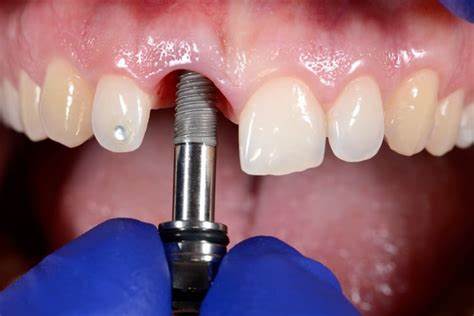
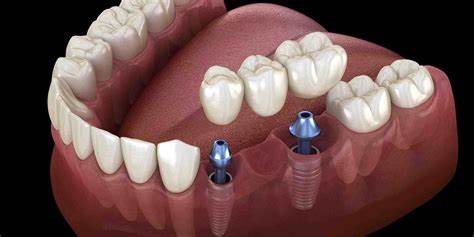
Dental implants are a revolutionary solution for replacing missing or damaged teeth, offering a permanent and natural-looking alternative to dentures or bridges. They are titanium posts surgically placed into the jawbone to act as artificial tooth roots, providing a stable foundation for crowns, bridges, or dentures. Dental implants mimic the function and appearance of natural teeth, offering a durable and long-lasting solution for people with tooth loss.
The dental implant procedure begins with the placement of the titanium post into the jawbone, where it fuses with the bone over time in a process called osseointegration. This creates a strong, permanent foundation for the replacement tooth or prosthesis. Implants offer several advantages over traditional tooth replacement methods, including improved comfort, better oral health, and enhanced aesthetics.
Benefits and Procedure of Dental Implants
Benefits of Dental Implants:
- Durability: Dental implants are built to last, with a success rate of over 95%. With proper care, they can last a lifetime, making them a cost-effective solution in the long term.
- Natural Appearance: Implants are designed to look and feel like natural teeth. The crown placed on the implant is customized to match the color, size, and shape of your natural teeth, offering a seamless appearance.
- Improved Function: Implants restore full function, allowing you to eat, speak, and smile with confidence. Unlike dentures, which can slip or cause discomfort, implants are securely fixed in place, providing a stable foundation for chewing and speaking.
Types Of Dental Implants
Immediate Loading Implants:
Immediate loading implants, also known as same-day implants, allow for the placement of a temporary crown immediately after the implant is inserted into the jawbone. This technique is beneficial for patients who want a quicker restoration process, as it reduces the number of dental visits and provides an instant aesthetic solution. However, it requires sufficient bone density and stability to support the immediate placement of the prosthetic tooth. These implants are commonly used in cases where the bone quality is adequate, ensuring successful osseointegration and long-term functionality.Delayed Loading Implants:
Delayed loading implants involve a waiting period after the implant is placed before attaching the final crown or prosthetic tooth. This healing phase, which typically lasts several months, allows the implant to fully integrate with the jawbone (osseointegration), ensuring a more stable and long-lasting foundation. This approach is preferred in cases where bone density needs time to improve or when additional procedures like bone grafting are required. Though it takes longer than immediate loading, delayed implants offer a higher success rate and long-term durability, making them a reliable option for many patients.